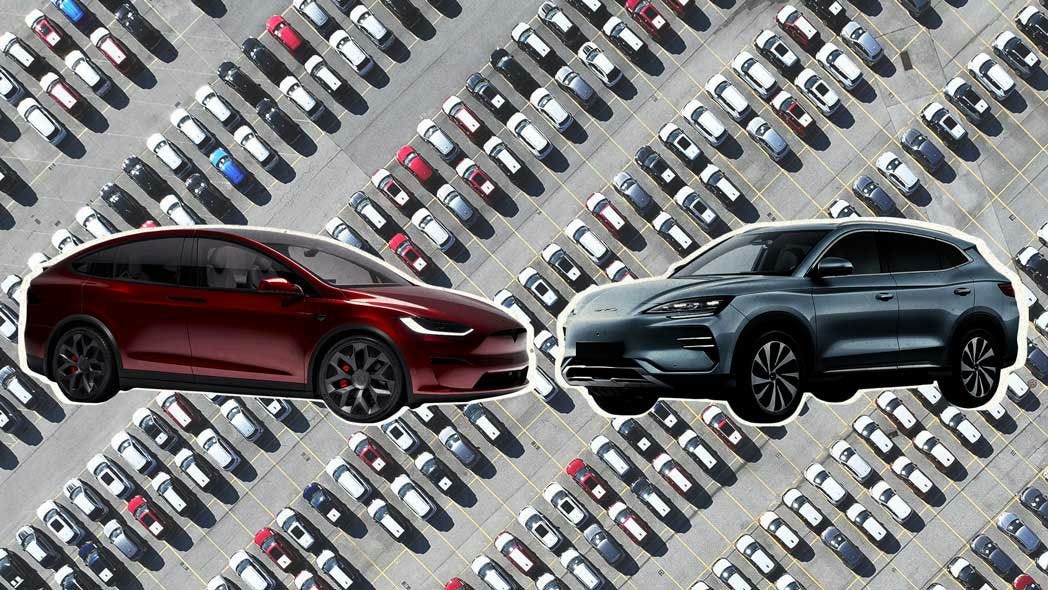
Last year, a company most Canadians have never heard of sold 4.6 million electric vehicles. That is more than Tesla, more than Volkswagen, and more than any other automaker on the planet. The company is BYD, short for Build Your Dreams, and it is about to enter the Canadian market.
If the name rings a bell, it might be because BYD already operates an electric bus assembly plant in Newmarket, Ont. But buses are just the beginning. Under a new trade agreement between Ottawa and Beijing, BYD is preparing to sell passenger cars in Canada for the first time. Demo units are expected to arrive by mid-2026, with the first customer deliveries slated for late in the fourth quarter.
This is Part 1 of a five-part series exploring the arrival of Chinese electric vehicles in Canada. We are starting with the basics. Who is BYD, what do they make, and why should you care?
From batteries to the world’s biggest EV maker
BYD was founded in 1995 in Shenzhen, China, as a rechargeable battery manufacturer. For years, the company made batteries for mobile phones and laptops. It was not glamorous work, but it gave BYD’s engineers a deep understanding of electrochemistry that would later become the foundation of everything the company builds.
The company climbed a deliberate ladder. Batteries led to e-bikes. E-bikes led to electric buses. Buses led to passenger cars. Each step taught BYD’s engineers how batteries perform and fail under real-world stress, long before they ever designed a sedan. By the time Western automakers started scrambling to secure battery supply chains during the chip shortage of 2021 to 2023, BYD was making its own chips, too.
Today, BYD controls nearly every critical part of the EV supply chain in-house: batteries, motors, semiconductors, power electronics, even interior trim. This is the opposite of how companies like Ford or GM operate, and it is the single biggest reason BYD can sell cars at prices Western automakers cannot match.
What BYD is bringing to Canada
Four models are expected to lead BYD’s Canadian launch, and together they cover a wide swath of the market.
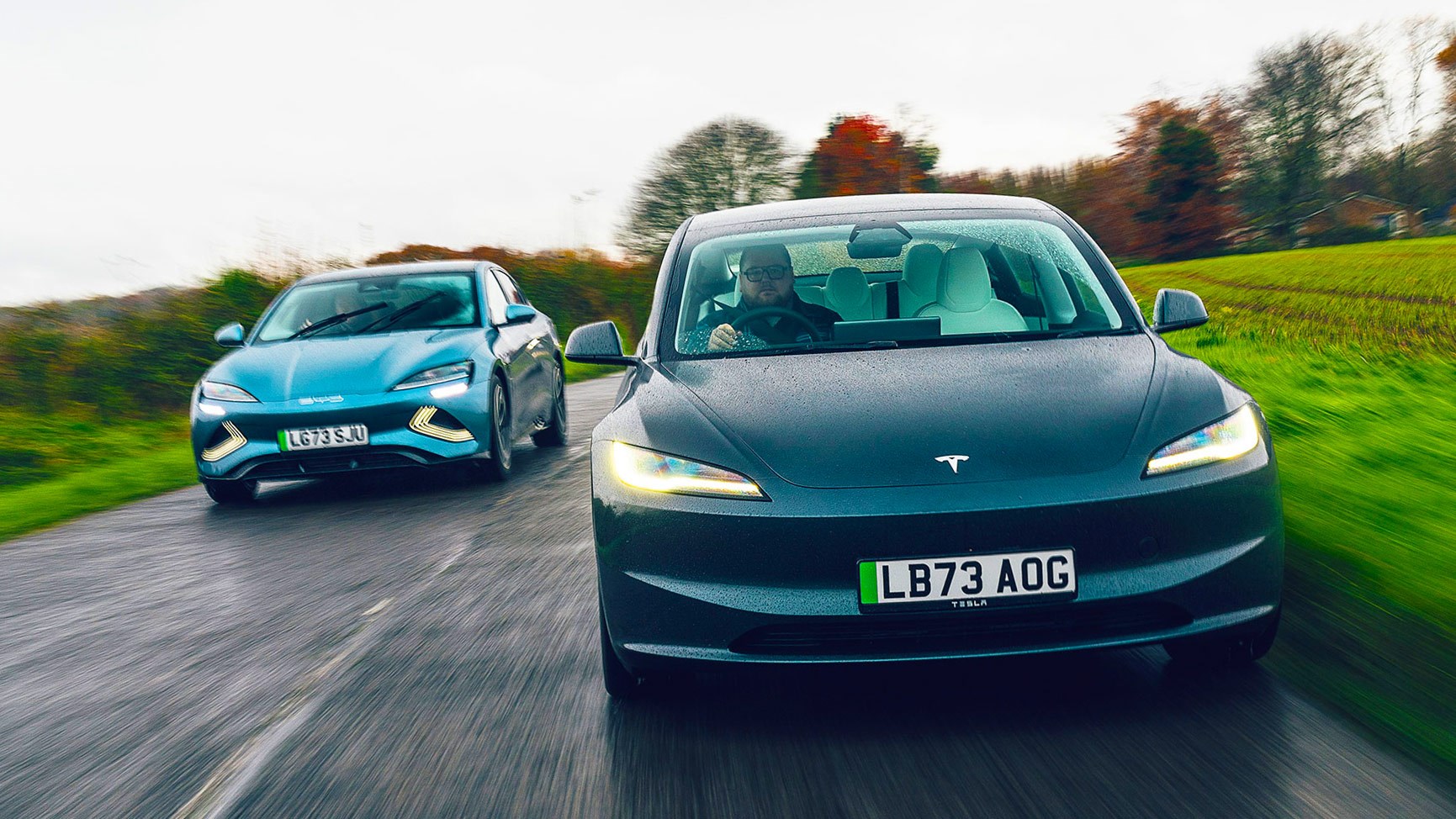
The Seagull is a compact city car that could be priced well under $35,000, making it one of the most affordable EVs available anywhere in the country. The Dolphin is a slightly larger hatchback aimed at the same budget-conscious buyer. The Atto 3 is a crossover SUV that competes with the Volkswagen ID.4 and Ford Mustang Mach-E at a lower price. And the Seal is a performance sedan designed to go head-to-head with the Tesla Model 3.

BYD Seagull compact EV

BYD Dolphin

BYD Atto 3

BYD Seal
That last point matters. The Carney government’s trade deal includes an affordability mandate requiring that a portion of imported Chinese EVs be priced below $35,000 by 2030. BYD already builds cars at that price point. Its competitors mostly do not.
How they got in the door
BYD’s Canadian entry is a direct result of the January 2026 trade agreement between Ottawa and Beijing. After Canada imposed steep surtaxes on Chinese EVs in 2024, the Carney government reversed course and negotiated a tariff-quota system. Canada will allow a set number of Chinese-made EVs into the country each year at the standard tariff rate. In exchange, China slashed tariffs on Canadian canola, lobster, crab, and peas. Call it canola for kilowatts.
BYD has a significant head start over other Chinese brands. The company is already registered in Transport Canada’s Appendix G preclearance system, which streamlines the import process for vehicles that meet Canadian safety standards. That registry was paused for new applicants in 2025, leaving rivals like Chery and Nio stuck in a slower approval pipeline. Combined with its existing Newmarket operations, BYD is better positioned than any Chinese automaker to move quickly.
The initial rollout will focus on Quebec and British Columbia, two provinces with high EV adoption rates, strong charging infrastructure, and proximity to major ports.
Why this matters
The arrival of BYD is a signal that the global automotive order is shifting. A Chinese manufacturer that most Canadians cannot name is about to offer vehicles that are cheaper, faster to charge, and in many cases more technologically advanced than anything from Detroit, Wolfsburg, or Fremont.
In Part 2, we will look at the technology under the hood: BYD’s Blade Battery, what its next generation means for Canadian winters, and why the company’s charging system could leapfrog Tesla’s Supercharger network.